
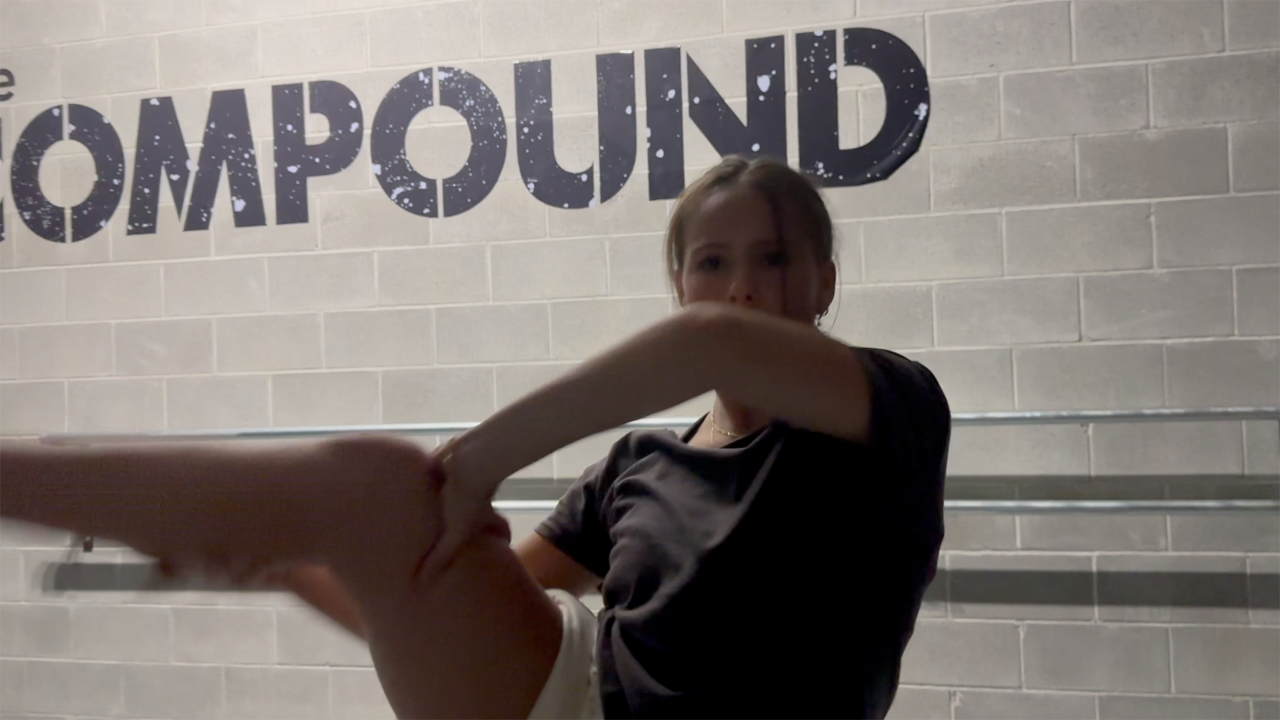
Contemporary
Dance Classes
Contemporary
Dance Classes
Creative movement and emotional expression make Contemporary a versatile style that encourages dancers to explore artistry, strength, flexibility, and storytelling through powerful and innovative choreography.
What Is Contemporary Dance?
Contemporary blends elements of Ballet, Jazz, Modern, Lyrical, and expressive movement into a creative and emotionally driven style of dance. Known for its versatility and freedom of movement, Contemporary encourages dancers to explore artistry, storytelling, musicality, and personal interpretation through innovative choreography.
This style often combines strong technical foundations with fluid transitions, floor work, improvisation, and emotionally connected movement, allowing dancers to develop both athletic ability and artistic expression.
Many dancers are drawn to Contemporary because it encourages creativity, individuality, and emotional connection while continuing to build strong technical skills.
What Dancers Learn in Contemporary Classes
Dancers Will Develop:
Flexibility and body control
Emotional expression and storytelling
Musicality and movement quality
Strength, balance, and coordination
Floor work and fluid transitions
Creativity and improvisation skills
Performance confidence and artistry
Technical movement and body awareness
Contemporary challenges dancers to explore movement in new ways while continuing to strengthen technique, confidence, and creative expression.
At The Compound Dance Complex, our dance studio in Redmond, Oregon, offers Contemporary classes to help dancers develop both technical strength and artistic expression through creative movement and performance-focused training.
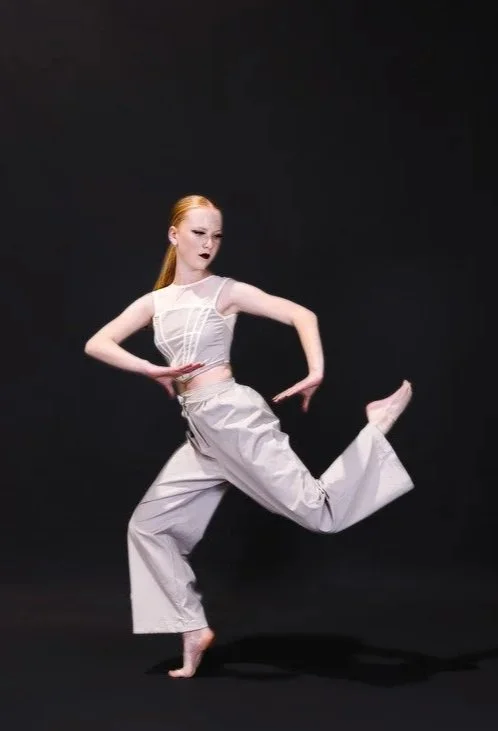
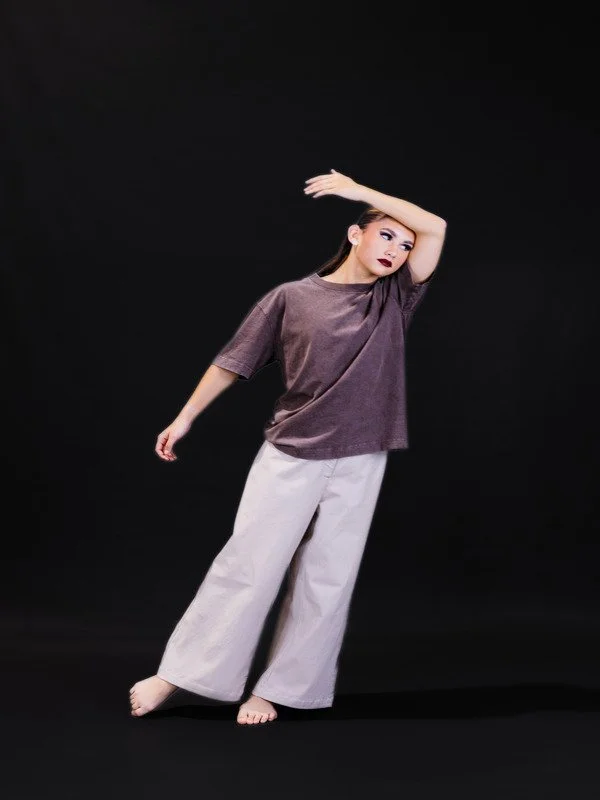
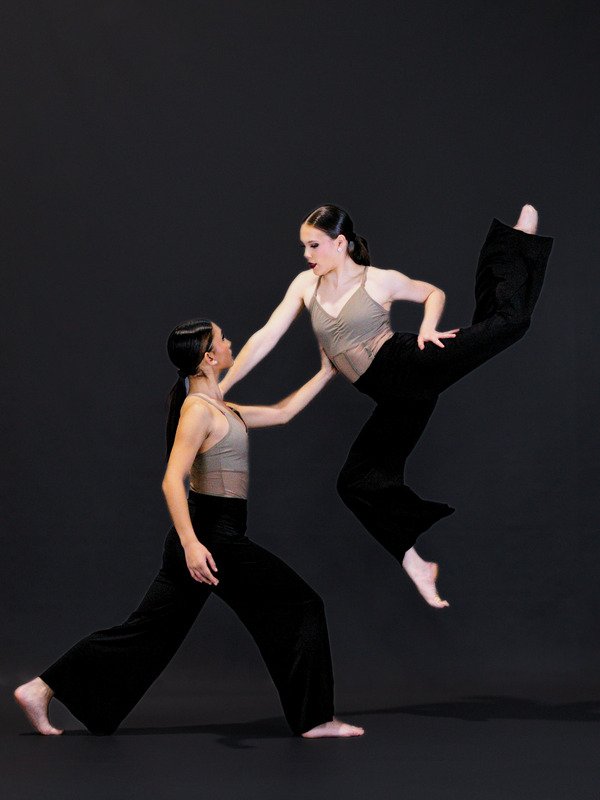
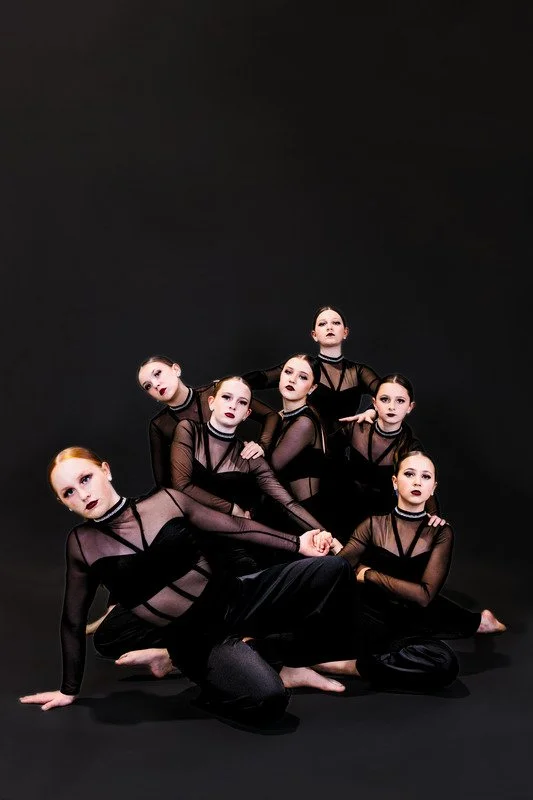
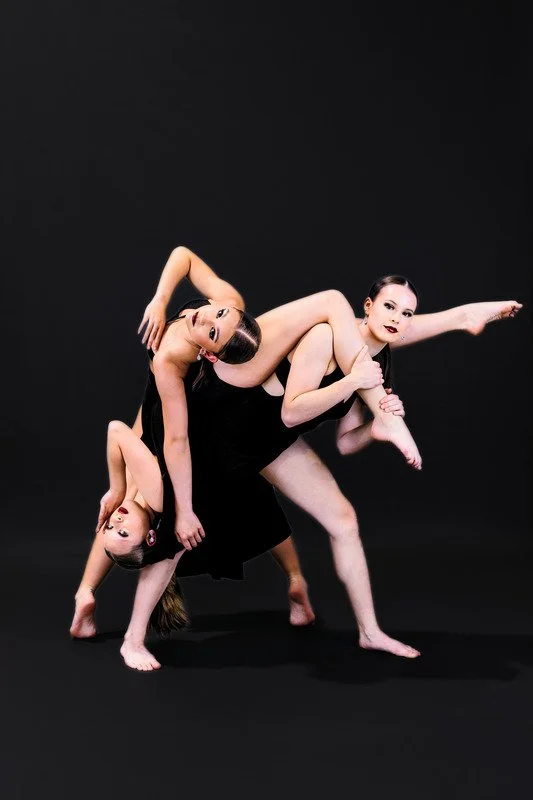
Contemporary dance is one of the most versatile styles of dance because it combines elements of Ballet, Modern, Jazz, and other movement disciplines into a single form of artistic expression.
Unlike many dance styles that follow a specific set of techniques or traditions, Contemporary encourages dancers to explore creativity, musicality, and movement in unique ways. Dancers often learn how to communicate emotions, ideas, and stories through movement while developing strength, flexibility, control, and artistry.
Today, Contemporary is widely featured in live performances, concert productions, television shows, music videos, and competitive dance, making it one of the most expressive and evolving styles in the dance world.
Did You Know?
Is Contemporary the Right Fit?
Contemporary is a great fit for dancers who:
Enjoy creative and expressive movement
Love storytelling and emotional performance
Want to build flexibility and strength
Are interested in artistry and musical interpretation
Enjoy fluid movement and choreography
Like exploring creativity through dance
Many dancers who enjoy Lyrical, Ballet, or Jazz are naturally drawn to Contemporary because it combines technical training with freedom of expression and creative movement exploration.
Contemporary vs. Other Dance Styles
Contemporary vs. Lyrical
While Lyrical often focuses heavily on song lyrics and emotional interpretation, Contemporary allows for more abstract movement, creative experimentation, and artistic freedom.
Contemporary vs. Ballet
Ballet follows structured classical technique and form, while Contemporary encourages dancers to explore movement with greater freedom and individuality.
Contemporary vs. Jazz
Jazz is typically sharper, faster, and performance-driven, while Contemporary emphasizes fluidity, creativity, and emotional movement quality.
Discover Contemporary Dance Classes at The Compound Dance Complex in Redmond, Oregon. Serving dancers throughout Central Oregon, our Contemporary program blends technique, creativity, and self-expression to help dancers explore movement in new and meaningful ways.
Dancers develop strength, flexibility, artistry, and performance skills while learning to tell stories, communicate emotions, and connect deeply with music through movement.
What to Expect in a Contemporary Class
Contemporary classes at The Compound Dance Complex are designed to help dancers explore movement creatively while continuing to strengthen technique, flexibility, and performance quality in a supportive environment.
Classes may include:
Stretching and conditioning
Floor work and fluid movement exercises
Across-the-floor progressions
Improvisation and movement exploration
Turns, leaps, and technical drills
Choreography combinations
Musical interpretation and storytelling
Our instructors help dancers continue building confidence, artistry, flexibility, and creative movement skills through expressive and innovative choreography.
Start Your Journey at The Compound
Our Contemporary classes are designed to help dancers build confidence, creativity, flexibility, emotional expression, and strong technical foundations in an inspiring and encouraging environment.
Whether your dancer is just beginning or looking to continue growing their artistry and performance skills, The Compound Dance Complex proudly serves dancers and families in Redmond and throughout Central Oregon, with classes designed to challenge, inspire, and support dancers at every level.
Explore Other Dance Classes
Interested in learning more about other dance styles offered at TCDC?